
In the event of a looming storm or a recent encounter with severe weather, it’s natural to wonder about the impact on your solar panels. As a homeowner who has invested in a solar energy system, you want to ensure that your investment is protected, and your system is functioning optimally.
Will hail damage solar panels?
Fortunately, solar panels can withstand hail and are designed to withstand various weather conditions, including hail and thunderstorms. However, it’s essential to understand the potential impact of severe weather on your solar panels and take appropriate measures to maintain their longevity.
Solar panels are made of durable materials, including tempered glass, that is highly resistant to hailstones. In Australia, solar panels are required to endure the direct impact of hail up to 35mm in diameter, which is roughly equivalent to the size of a golf ball.
Therefore, it’s unlikely that most hailstones will damage your solar panels. However, it’s still advisable to inform your home and contents insurance provider that you have solar panels installed and ensure that hail damage is included in your coverage.
| Hail Size | Diameter (mm / in) | Approx. Weight (g) | Typical Velocity (km/h / mph) | Solar Panel Test Standard | Can Panels Withstand It? |
|---|---|---|---|---|---|
| Pea | 5 mm / 0.2 in | ~0.3 g | ~40 km/h / 25 mph | Not specifically tested | Yes (easily) |
| Marble | 13 mm / 0.5 in | ~1 g | ~70 km/h / 43 mph | IEC 61215 standard: 25 mm @ 83 km/h | Yes |
| Quarter | 25 mm / 1 in | ~4.5 g | ~83 km/h / 52 mph | Standard test size in IEC 61215 | Yes (if certified) |
| Golf Ball | 44 mm / 1.75 in | ~45 g | ~105–120 km/h / 65–75 mph | Beyond standard test range | Maybe (depends on brand/design) |
| Tennis Ball | 65 mm / 2.6 in | ~120 g | ~130–160 km/h / 80–100 mph | Not covered by IEC tests | Unlikely |
| Baseball | 73 mm / 2.9 in | ~145 g | ~160+ km/h / 100+ mph | Not covered by IEC tests | Highly likely to break |
Despite the high durability of solar panels, it’s always a good idea to inspect your system for damage after a hailstorm to maintain the benefits of your solar energy. Here are some essential tips to help you identify potential damage to your solar panel system.
Inspect Your Inverter
Your inverter is the heartbeat of your solar energy system, and it’s likely to detect significant hail damage to your solar panels. After a hailstorm, check your inverter for any faults such as “ground fault” or “earth fault” or if there is no power generation indication. If you notice any of these issues, contact Brisbane Solar Repairs immediately to investigate further.
Conduct a Visual Inspection
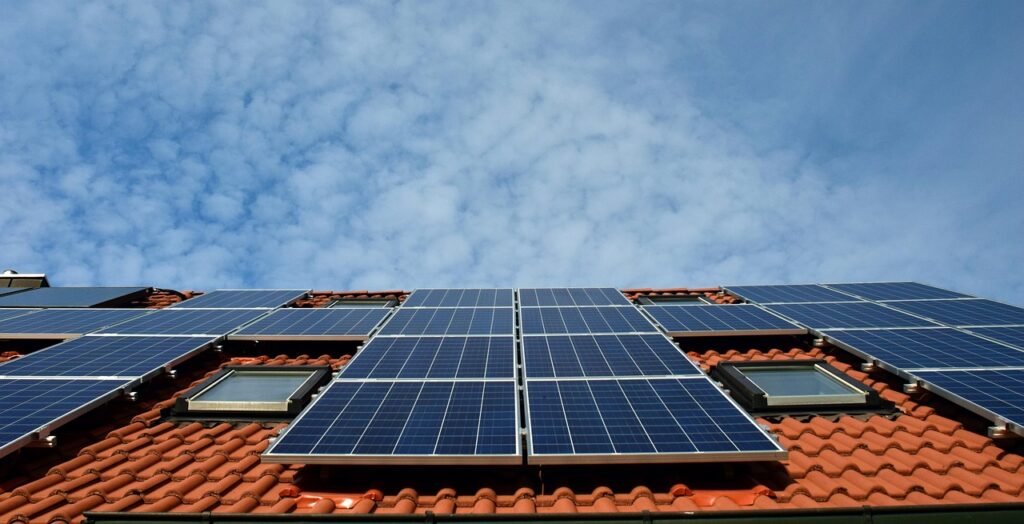
Conduct a visual inspection of your solar panels from a safe distance. If possible, use binoculars to check for damage, such as smashed or broken panels. If you suspect damage, it’s not advisable to climb onto the roof, as there may be a risk of voltage leakage.
Check for Water Damage
Hailstones can cause water damage to your solar panels. After a hailstorm, check your solar panels for any signs of water damage, such as discoloration or water stains. If you notice any of these issues, contact your installer immediately to address the problem.
Monitor Your System Performance
After a severe weather event, monitor your system performance to ensure it generates the same amount of electricity as before the storm. If you notice a decline in energy production, it may indicate damage to your solar panels.
Checklist summary
Visual Inspection Checklist
- Cracks on the glass surface (spiderweb-like or straight-line fractures)
- Discoloration or hot spots visible on the panel
- Delamination (peeling or bubbling between panel layers)
- Broken or chipped panel edges
- Dents or impact marks on the panel frame or junction box
- Loose, frayed, or exposed wiring
Electrical Performance Checks
- Drop in power output (check inverter for performance data)
- Frequent inverter errors or fault codes
- Panel or string underperforming compared to others in the same array
- Irregular voltage or current readings (use a multimeter to test)
Wiring & Connection Checks
- Burn marks or scorching on connectors
- Corroded or rusted terminals
- Loose connections at the combiner box or inverter
Additional Steps
- Use a thermal imaging camera to detect hot spots or short circuits
- Inspect after dusk with a flashlight to catch surface cracks more easily
- Schedule a professional inspection if damage is suspected but not visible
After a hailstorm or extreme weather
- Take photos of the damage for insurance
- Check your warranty terms (some exclude extreme weather)
- Contact your installer or manufacturer if your system is under warranty or monitoring
In conclusion, severe weather conditions can impact your solar panel system, but with appropriate measures, you can ensure that your investment is protected. Conducting regular inspections and monitoring your system performance can help you identify potential damage and address it before it affects your system’s performance.
Remember to inform your insurance provider that you have solar panels installed and ensure that hail damage is included in your coverage. This way, you can continue to power your home with clean energy from the sun.
Interested in learning more?
Watch the video below.
Submit an enquiry using the form below or call 0424 654 370
Image credit: Image by Leopictures from Pixabay
Recommended reading
- Solar savings calculator
- Why aren’t your solar panels working?
- Do solar panels work during a blackout?
- Do solar panels work on cloudy days?
- Does hail damage solar panels?
- Bird-proofing your solar panels.
- Is it worth getting a heat pump water heater?
- How often do you need solar system inspections?
- Does solar hot water increase your property value?